
Dental Bonding — Fix Chips, Cracks & Gaps in One Visit
Services provided by an Arizona licensed general dentist.
A chipped tooth doesn't have to stay that way. Dental bonding uses tooth-colored composite resin to repair damage, close gaps, and reshape teeth — often in a single appointment with no anesthesia needed.
What Is Dental Bonding?
Dental bonding is a cosmetic procedure where Dr. Kaur applies a tooth-colored composite resin directly to your tooth and sculpts it by hand to repair imperfections. The resin is hardened with a special curing light and polished to blend seamlessly with your natural enamel.
It's one of the most affordable and least invasive cosmetic treatments available. In most cases, no drilling or anesthesia is required, and the entire procedure takes 30–60 minutes per tooth.
Bonding is an excellent option for patients who want a noticeable cosmetic improvement without the cost or commitment of veneers or crowns.
Bonding Can Fix
Chipped or Cracked Teeth
Rebuild the natural shape of teeth damaged by trauma or everyday wear
Small Gaps
Close minor spaces between teeth without orthodontics
Discolored Teeth
Cover stains that don't respond to whitening, like fluorosis or root-canal darkening
Uneven Tooth Shape
Reshape teeth that are too short, pointed, or irregularly contoured
Exposed Roots
Protect tooth roots exposed by gum recession
Real Patient, Real Results
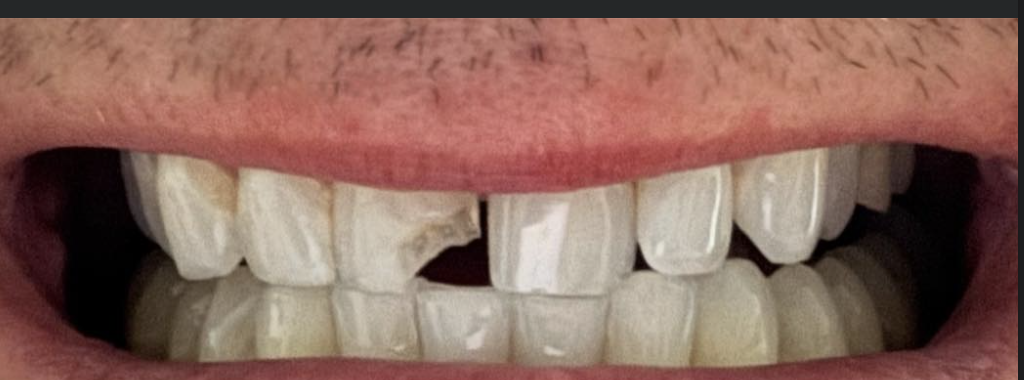
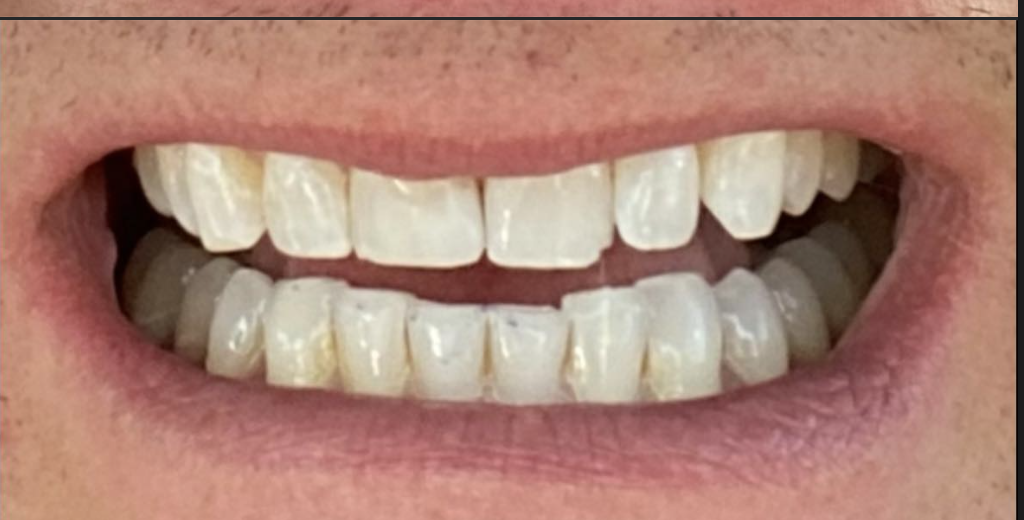
When Ben cracked a third of his front tooth on a Friday night with a speaking engagement the following morning, Dr. Kaur came through.
Before
After
"Last week was rough. By Friday night, I was mentally and physically drained. I finally sat down with a glass of wine and a snack, enjoying some much-needed me time when — CRACK! A third of my front tooth was gone."
"Panic set in. Our local dentist's office was closed until Monday, and I had a critical speaking engagement on Sunday morning. I left a desperate voicemail, hoping for a miracle."
Dr. Kaur repaired Ben's tooth with dental bonding — restoring his smile and his confidence before his event.
Ben P.
Phoenix, AZ
The Bonding Process
Shade Matching
Dr. Kaur selects a composite resin color that closely matches your natural tooth shade so the repair is invisible.
Surface Preparation
The tooth surface is lightly roughened and a conditioning liquid is applied. This helps the bonding material adhere securely.
Application & Sculpting
The resin is applied in layers and carefully sculpted to the ideal shape. This is where the artistry happens — Dr. Kaur shapes the material to blend naturally with your surrounding teeth.
Curing & Polishing
A UV curing light hardens each layer of resin. The bonded area is then trimmed, shaped, and polished to match the sheen of your natural enamel.
Most bonding appointments take 30–60 minutes per tooth. No second visit needed.
Why Choose Dental Bonding?
Done in One Visit
No lab work, no temporaries, no second appointment. Walk in with a chip, walk out with a repaired tooth.
Affordable
Bonding costs a fraction of veneers or crowns, making it the most budget-friendly cosmetic fix available.
Comfort During Treatment
Your dentist will explain whether numbing is needed and how we can help you feel comfortable during treatment.
Preserves Tooth Structure
Little to no enamel is removed. It's one of the most conservative cosmetic treatments in dentistry.
Natural Appearance
Composite resin is shade-matched to your teeth and polished to blend in. Most people can't tell it's there.
Easy to Repair
If bonding chips or wears over time, it can be touched up or replaced quickly and affordably.
Bonding vs. Veneers — Which Is Right for You?
| Bonding | Veneers | |
|---|---|---|
| Visits | 1 | 2 |
| Longevity | 3–7 years | 10–15+ years |
| Cost | Lower | Higher |
| Stain Resistance | Moderate | Excellent |
| Tooth Removed | None–minimal | ~0.5mm |
| Best For | Small repairs, single teeth | Full smile makeovers |
Not sure which option is right for you? Request a consultation and Dr. Kaur will walk you through both options.
Common Questions About Dental Bonding
How long does dental bonding last?
With good oral care, bonding typically lasts 3–7 years depending on the location and how much force the tooth receives. Teeth that bear heavy chewing or grinding forces may need touch-ups sooner.
Does dental bonding stain?
Composite resin can pick up stains over time from coffee, tea, red wine, and tobacco — more so than porcelain. Avoiding staining substances and keeping up with regular cleanings helps maintain the color.
Is bonding covered by insurance?
If bonding is done to repair a structurally damaged tooth (like a chip or fracture), many insurance plans cover it partially or fully. Purely cosmetic bonding may not be covered. We'll verify your benefits before treatment.
Can bonding be whitened?
Composite resin doesn't respond to whitening treatments. If you're planning to whiten your teeth, it's best to do that first so Dr. Kaur can match the bonding to your new shade.
Does bonding hurt?
In most cases, no. Bonding doesn't require drilling or anesthesia unless it's being used to fill a cavity. Most patients feel nothing during the procedure.
That Chip Has Been Bugging You Long Enough
Ask whether bonding is suitable for your tooth. We will explain the expected result, appointment time, and cost before you decide.